Paper on Purpose
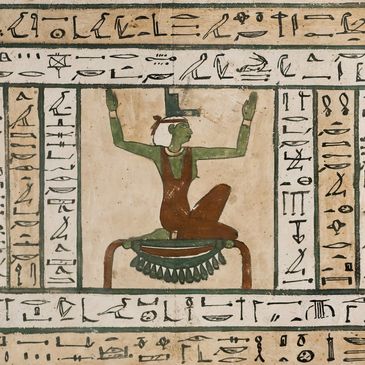
Hands on History
Hands on History
Hands on History
The fascinating history of paper explained through real artifacts!
Waste Reduction
Hands on History
Hands on History
Transforming waste into art; and minds and behaviors toward sustainability.
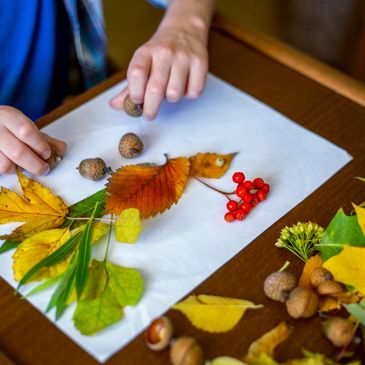
Makey-Takey
Hands on History
Makey-Takey
Learn by doing! Make pulp, use tools, and create beautiful paper to take home.
PAPER ON PURPOSE DETAILS
Information for educators:
This engaging, hands‑on papermaking workshop introduces students to the art, science, and sustainability of handmade paper. In just 45 minutes, students learn how recycled materials become new sheets of paper through a process that blends creativity, environmental awareness, and scientific exploration. 'Paper on Purpose' encourages teamwork, sparks innovation, and offers administrators a fresh perspective on eco‑friendly STEAM learning experiences they can implement with their students and staff. Participants leave with their own handmade paper and a deeper understanding of recycling, material properties, and artistic craftsmanship.
Learning Outcomes:
By the end of the workshop, students will be able to:
- Create a sheet of handmade paper using traditional tools and techniques
- Explain how recycled fibers break down and reform into new material
- Identify how human choices impact natural resources
- Follow a multi‑step technical process using discipline‑specific vocabulary
- Make creative decisions about color, texture, and design
Considerations and Key Points:
(ideal ages: 2nd-12th grades)
* Can be easily adapted for adults and used for advanced book making.
Requires:
Room that can accommodate seating & table space for each student plus two additional large tables for activity centers. Ground level location so large tubs can be wheeled into building.
Pricing:
One, to two (45 min) sessions for groups of up to 30 students max per session: $400
One bonus session can be added for an additional: $150 (3 total sessions max per day)
* This class can be specifically tailored to the following state education standards:
1. Visual Arts Standards
- Create art using a variety of materials and techniques
- Understand artistic processes
- Reflect on their creative choices
This class supports these by:
- Teaching a hands‑on craft technique (forming pulp, couching, pressing)
- Allowing creative choices (color, texture, inclusions)
- Encouraging reflection (“Why did you choose these materials?”)
“Students will explore artistic processes by creating handmade paper using traditional craft techniques and mixed‑media elements.”
2. Science Standards (Physical Science + Earth/Environmental Science)
- Properties of materials(absorption, texture, density)
- Changes in matter (solid → slurry → solid)
- Human impact on the environment
- Recycling and resource conservation
This class supports these by:
- Demonstrating how paper fibers break down and reform
- Showing how recycled materials become new products
- Discussing sustainability and waste reduction
“Students investigate how materials change through mechanical processes and explore real‑world applications of recycling and sustainability.”
3. English Language Arts Standards
- Following multi‑step procedures
- Using domain‑specific vocabulary
- Reflecting or writing about a process
This class supports these by:
- Teaching a step‑by‑step craft
- Introducing vocabulary (pulp, deckle, mold, couching)
- Offering optional reflection or journaling
“Students will follow a multi‑step technical process and use discipline‑specific vocabulary to describe their work.”
4. Environmental Literacy Standards
- Understanding recycling systems
- Exploring human impact on natural resources
- Participating in sustainability practices
This class supports these by:
- Using discarded paper as raw material
- Discussing how paper production affects forests and water use
- Demonstrating a sustainable alternative
“Students engage in an applied recycling activity that illustrates resource conservation and environmental responsibility.”
5. CTE / Career Exploration Standards
- Exposure to real‑world craft, design, or manufacturing processes
- Understanding creative industries
- Hands‑on technical skill development
This class supports these by:
- Introducing a traditional craft used in book arts, printmaking, and design
- Demonstrating a small‑scale manufacturing workflow
- Showing how handmade paper is used in artisan businesses
“Students gain insight into creative industry practices and learn a hands‑on production technique used in artisan and design careers.”
